
The Thrill of Uncertainty
The psychology of casino gambling is deeply intertwined with the concept of uncertainty. Players are often captivated by the unpredictability of outcomes, which creates a thrilling environment. This unpredictability activates the brain’s reward system, similar to other forms of risk-taking behavior. As players spin the reels or roll the dice, the anticipation builds, and the potential for winning creates a rush that can be intoxicating, especially when they explore the best online poker site.
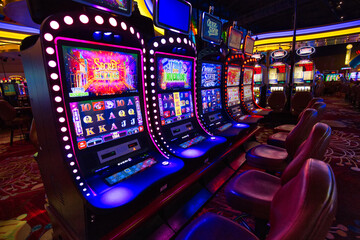
The emotional highs associated with gambling can lead to a temporary escape from reality. Many players seek the excitement of the casino to break away from the mundane aspects of their daily lives. This thrill-seeking behavior can be compelling, as each game presents a new opportunity for both exhilaration and possible financial gain. Additionally, understanding the broader world of gambling is vital for players keen on maximizing their experiences.
The Role of Social Interaction
Casino environments foster a unique social atmosphere that appeals to many players. The excitement of sharing a win or commiserating over a loss can enhance the overall gambling experience. This social aspect transforms gambling from a solitary activity into a communal event, where players connect with others through shared experiences. The presence of fellow gamblers can amplify the thrill and create a sense of belonging.
Furthermore, many gamblers appreciate the camaraderie that emerges during gameplay. Interactions with dealers and other players can provide entertainment and further engage participants. This social dimension often encourages individuals to gamble more frequently, as they associate their gaming experiences with fun and friendship.
Influence of Cognitive Biases
Cognitive biases play a significant role in how players perceive their chances of winning. For instance, the gambler’s fallacy—believing that past events affect future outcomes—can lead players to make irrational bets. This flawed reasoning often causes individuals to underestimate the house edge and overestimate their chances of hitting a jackpot, creating a cycle that can encourage continued play. Therefore, unmasking these biases is crucial for responsible gambling.
Additionally, players tend to remember their wins more vividly than their losses, a phenomenon known as selective memory. This tendency can reinforce the belief that they are “due” for a win, driving them to return to the casino in hopes of a big score. Understanding these biases is crucial for recognizing how easily players can become trapped in a cycle of gambling.
The Impact of Marketing and Design
Casinos employ marketing strategies and design elements that are meticulously crafted to attract and retain players. Bright lights, captivating sounds, and enticing promotional offers create an immersive experience that heightens excitement. The layout of games is often designed to encourage longer play sessions, enticing players to stay and gamble instead of leaving.
In addition, loyalty programs and rewards systems are implemented to keep players engaged. These incentives tap into the psychology of reinforcement, where players feel appreciated and motivated to return. As players accumulate points or rewards, they develop an emotional attachment to the casino, further driving their gambling behavior.

Ensuring a Safe Gaming Environment
Understanding the psychology behind casino gambling highlights the importance of creating a safe gaming environment for all players. Websites and casinos are dedicated to protecting users from potential risks associated with gambling, including addiction and financial loss. It is essential for players to be aware of their limits and engage in responsible gambling practices.
By fostering a secure environment where players can enjoy the thrill of gambling responsibly, operators help minimize harmful effects while still providing an exhilarating experience. Encouraging open communication about gambling behaviors and offering support can contribute to a community that prioritizes safety and well-being.